

 Image 1 of 3
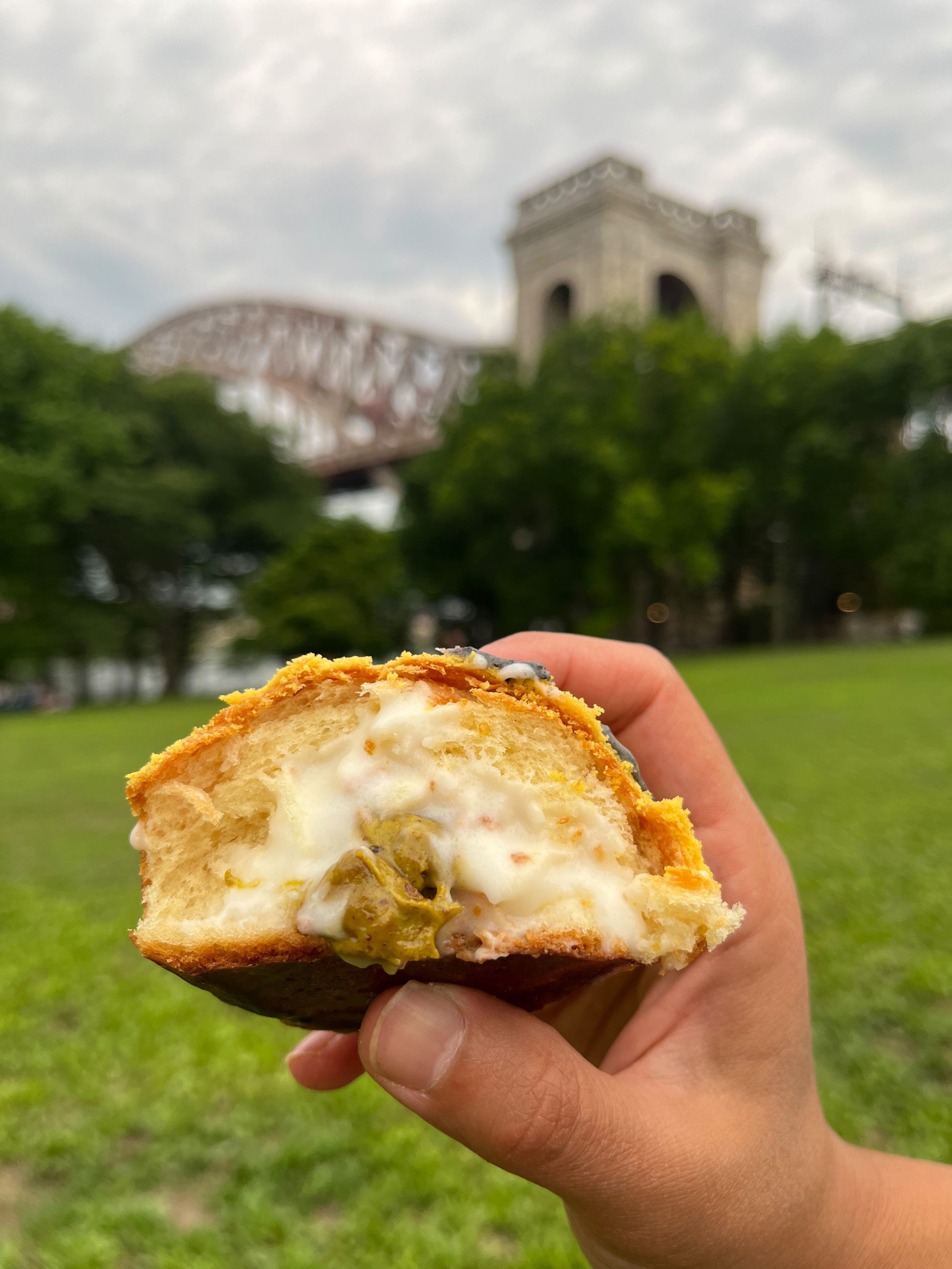 Image 2 of 3
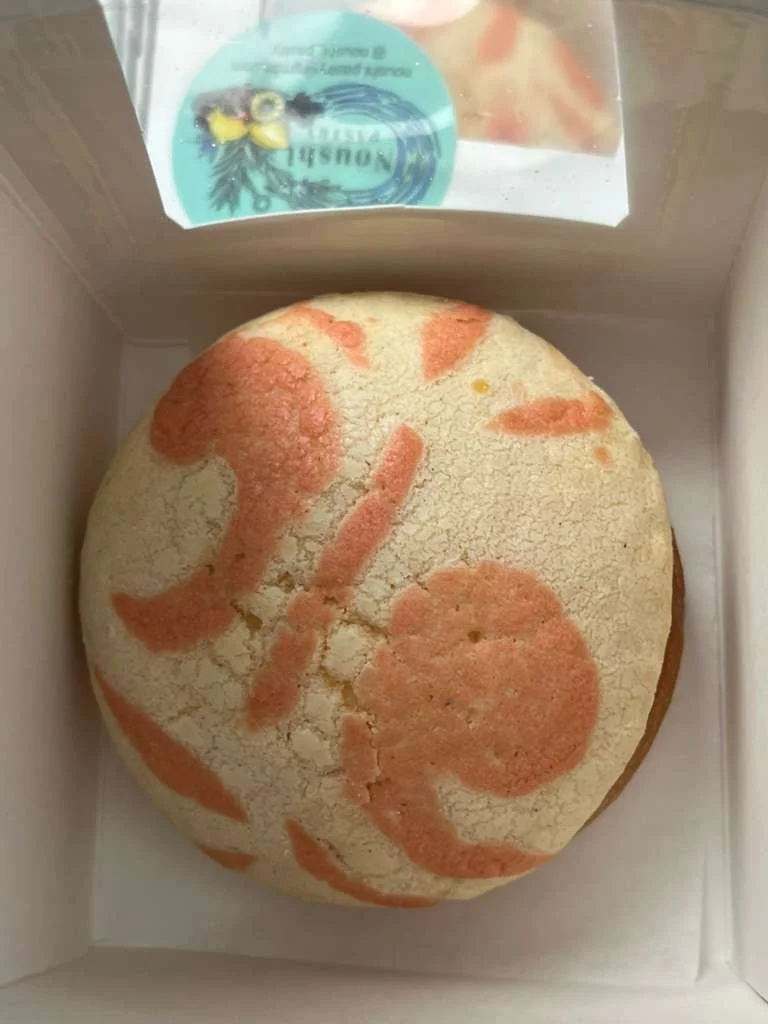 Image 3 of 3
Significance
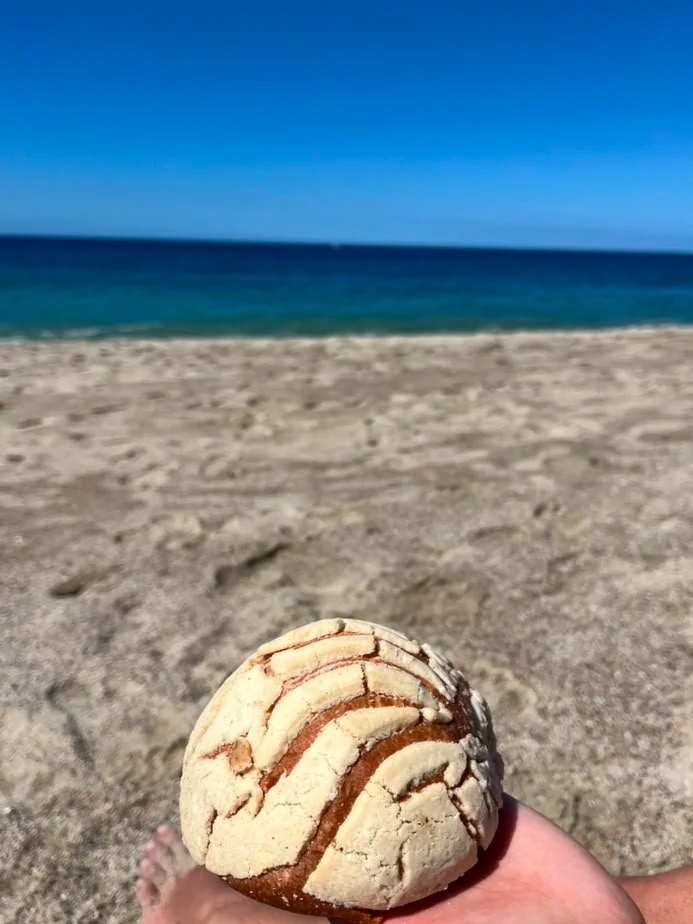

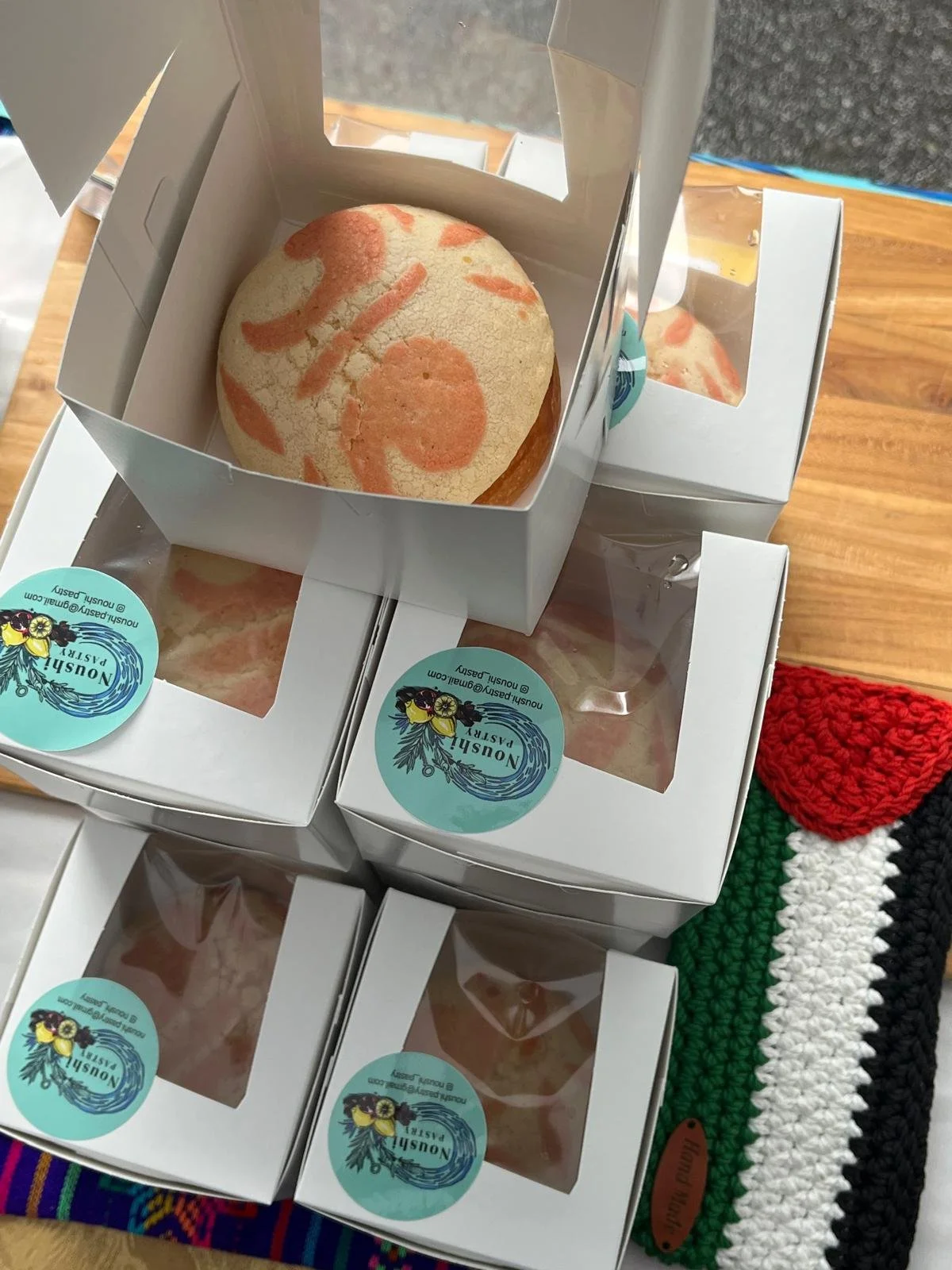
Conchas: Mexican pan dulce (sweet bread) traditionally decorated to resemble a shell. This pastry dates back to the colonial era of Mexico with the heavy influence of European techniques and ingredients in pastries. Wheat was introduced during the Spanish conquest of Mexico and this type of enriched dough, resembles the French brioche. The use of enriched sugar used to coat the bread was also introduced by Spaniards, cultivated by forced indigenous labor and enslaved Africans brought to Mexico by Europeans settlers through the Caribbean. This pastry is a culmination of the myriad human stories connected through history that weave the fabric of Mexican cuisine. Today, conchas are a staple of breakfast often enjoyed dipped in a warm cup of chocolate or cafe.
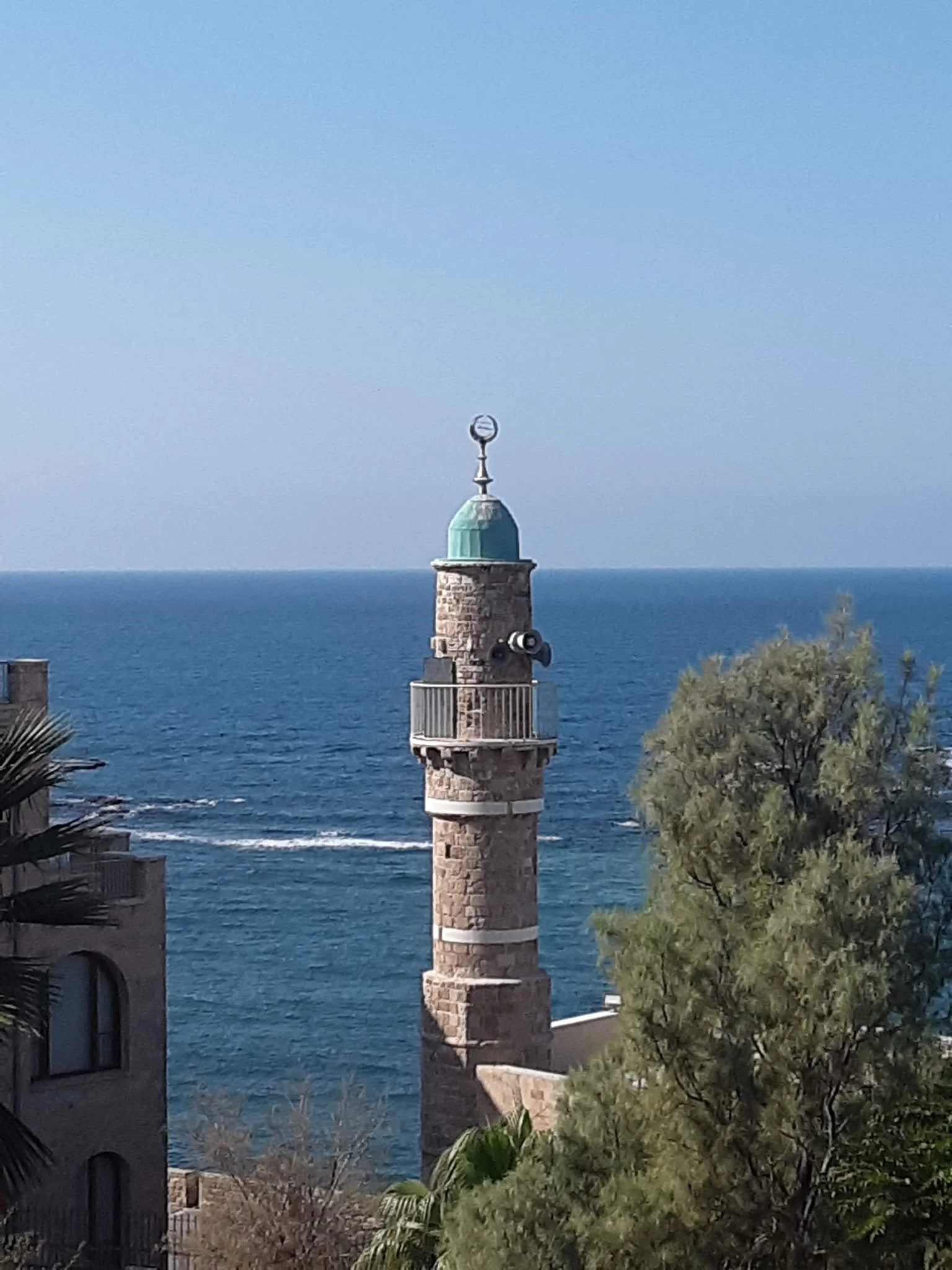
Mazahr Rice Pudding (Mahalabiyeh): Orange blossom is deeply rooted in Palestinian and Lebanese culture blooming in the orange groves of Yaffa, Palestine. Before the Nakba in 1948, Yaffa was a trade hub in the region, citrus as a key element of it’s production and its memory. In the 1800s, Palestinian farmers created a new mutation of orange that was sweeter and more fragrant called Shamouti. Its blossom became a main motif in Palestinian tatreez preserving the memory of a vibrant village taken away. This rice based pudding connects cultures between Palestine and Mexico as a base for both arroz con leche (rice pudding) and horchata.
Pistachio: An ingredient dating back thousands of years rooted in present day Iran, is core to many desserts across the SWANA region as a regal symbol of deep respect. It is often offered to welcome visitors into your home as snack with tea, juice, coffee and a sweet bite.
*SWANA: South West Asia and North Africa