Image 1 of 3
 Image 2 of 3
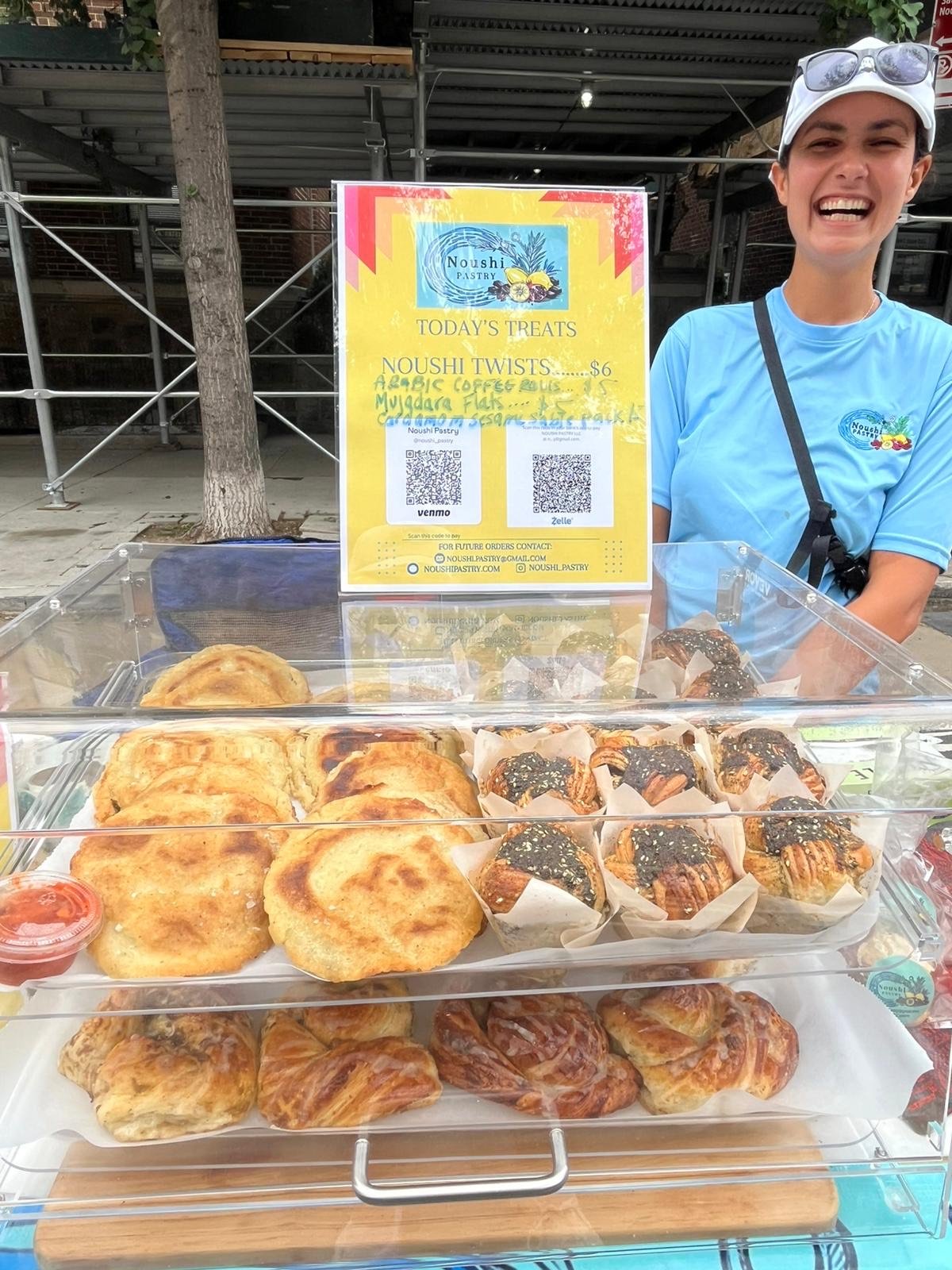 Image 3 of 3
Mujadara, a classic lentil dish served with caramelized onions and extra virgin olive oil. Here we bring together our cultures and experiences in a delicious way — honoring the soul and comfort in these flavors. This dish carries the inspiration of homey mujadara meals growing up plus the added love of Ranya and Ben’s time in Denver, Colorado, where they enjoyed papusas almost weekly from a local Salvadoran-Mexican joint called Tacos Acapulcos on Colfax Ave. These Mujadaritas are crispy, earthy, spicy, savory, brought together with the zing of a caramelized onion salsa. “Mujadarita” blends Arabic, the name of the original dish, and Spanish, in which ‘-ita’ refers to ‘little,’ as a play on words to mean “Little Mujadara.”
Gluten-free, nut free, dairy free, vegan (unless ordering cheese filling). Produced in an environment that contains nuts.
Mujadara: Stewed lentils made with onion, garlic and spices. This dish dates back thousands of years, with the first written record in 1226 Iraqi cookbook Kitab al Tabikh. It was commonly known as a “dish of the poor” as it made its way around the Arab world. It is now a staple of Palestinian and Lebanese cuisine as one of the most accessible, nourishing, durable dish. The dish is traditionally enjoyed with, of course, olive oil as well as carmalized onions, tomatoes and cucumbers. Typically eaten by hand with Arabic bread or Mar’ouk.
Mujadara, a classic lentil dish served with caramelized onions and extra virgin olive oil. Here we bring together our cultures and experiences in a delicious way — honoring the soul and comfort in these flavors. This dish carries the inspiration of homey mujadara meals growing up plus the added love of Ranya and Ben’s time in Denver, Colorado, where they enjoyed papusas almost weekly from a local Salvadoran-Mexican joint called Tacos Acapulcos on Colfax Ave. These Mujadaritas are crispy, earthy, spicy, savory, brought together with the zing of a caramelized onion salsa. “Mujadarita” blends Arabic, the name of the original dish, and Spanish, in which ‘-ita’ refers to ‘little,’ as a play on words to mean “Little Mujadara.”
Gluten-free, nut free, dairy free, vegan (unless ordering cheese filling). Produced in an environment that contains nuts.
Mujadara: Stewed lentils made with onion, garlic and spices. This dish dates back thousands of years, with the first written record in 1226 Iraqi cookbook Kitab al Tabikh. It was commonly known as a “dish of the poor” as it made its way around the Arab world. It is now a staple of Palestinian and Lebanese cuisine as one of the most accessible, nourishing, durable dish. The dish is traditionally enjoyed with, of course, olive oil as well as carmalized onions, tomatoes and cucumbers. Typically eaten by hand with Arabic bread or Mar’ouk.